
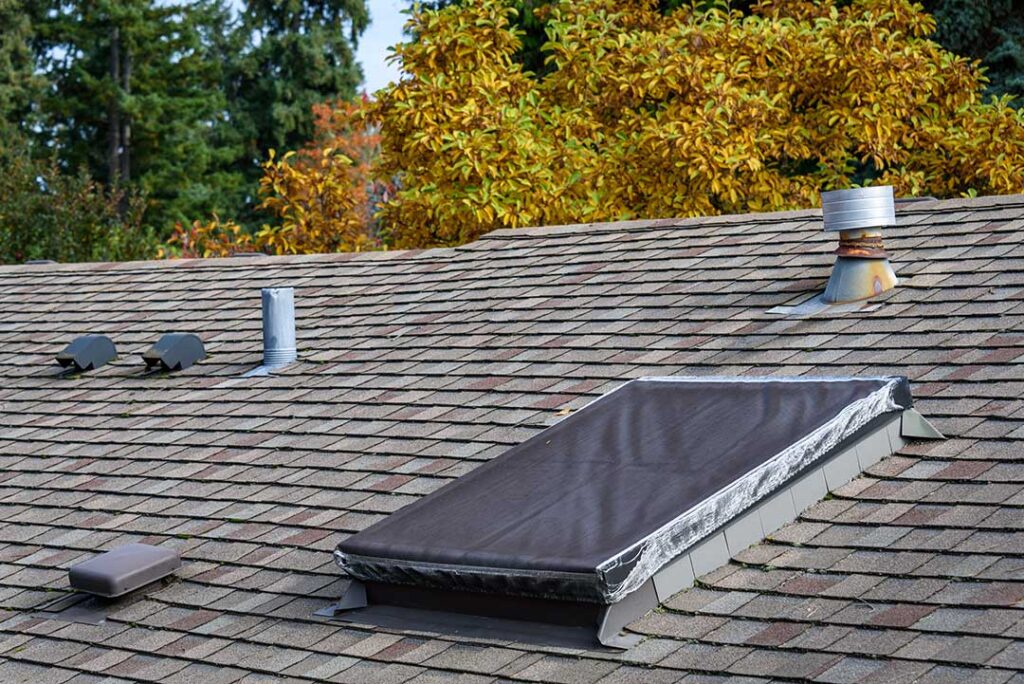
For homeowners in Fort Plain, NY, cool roof ratings can help explain how a roofing material handles sunlight and heat. The ratings do not tell the entire story of a roof, but they provide useful information for comparing colors, coatings, membranes, metal roofing, and other roof surfaces.
A roof with strong solar performance may stay cooler during sunny weather. However, the value of that performance depends on the home’s insulation, ventilation, roof design, heating and cooling needs, and the local seasonal climate.
What does “cool roof” mean?
A cool roof is designed to reflect more sunlight and release absorbed heat more effectively than a conventional dark roof. Its surface temperature may be lower during sunny conditions, which can reduce heat transferred into the building. ([energy.gov](https://www.energy.gov/sites/prod/files/guide_to_cool_roofs.pdf?utm_source=openai))
The term does not refer to one specific roofing material. Cool roof performance can come from:
- Light-colored shingles or metal panels
- Reflective coatings
- Single-ply roofing membranes
- Specially formulated “cool color” products
- Other roofing surfaces tested for solar performance
A light color often helps, but color alone does not determine how cool a roof will remain. Two products that appear similar may have different reflectance and emittance values.
Which numbers matter on a roof rating?
The two primary measurements are solar reflectance and thermal emittance. Both are generally reported on a scale from 0 to 1, with higher values usually indicating better ability to remain cool in sunlight. ([coolroofs.org](https://coolroofs.org/resources/home-and-building-owners?utm_source=openai))
Solar reflectance
Solar reflectance is the fraction of sunlight a surface reflects rather than absorbs. A product with a solar reflectance of 0.70 reflects approximately 70 percent of incoming solar energy under the test conditions.
The remaining solar energy is absorbed as heat. Dark roofing materials often have lower reflectance, while lighter or specially engineered surfaces commonly have higher reflectance. Solar reflectance usually has the strongest effect on roof temperature in direct sun. ([energy.gov](https://www.energy.gov/sites/prod/files/2013/10/f3/coolroofguide.pdf?utm_source=openai))
Thermal emittance
Thermal emittance describes how efficiently a surface releases absorbed heat as thermal radiation. A high-emittance material can shed heat more readily than a low-emittance surface.
This distinction matters with metal roofing. A bare, shiny metal surface may reflect a significant amount of sunlight but still have relatively low thermal emittance. A painted or specially finished metal surface may perform differently. The surface finish, not just the base material, should be considered.
What is the Solar Reflectance Index?
The Solar Reflectance Index, or SRI, combines solar reflectance and thermal emittance into one calculated value. It estimates how hot a surface is likely to become compared with reference black and white surfaces. Higher SRI values generally indicate a cooler surface in sunlight. ([coolroofs.org](https://coolroofs.org/resources/home-and-building-owners?utm_source=openai))
SRI is not a direct temperature measurement. It is calculated from other test results, so it should be used as a comparison tool rather than as a promise that a roof will stay at a particular temperature.
A simplified way to interpret the metric is:
- Lower SRI: generally greater heat absorption
- Higher SRI: generally stronger solar heat rejection
- Very high SRI: often associated with highly reflective, high-emittance surfaces
A product may have a respectable SRI because of a combination of moderate reflectance and high emittance. Looking only at SRI can hide those differences, so the underlying values are also worth reviewing.
What is the difference between initial and aged ratings?
Roofing materials usually become less reflective as they collect dust, pollen, organic matter, and other surface deposits. Weathering can also change the finish. For that reason, rating information may include both initial and three-year aged values. ([coolroofs.org](https://coolroofs.org/documents/CRRC-SRI-Document_2024-04-17.pdf?utm_source=openai))
The aged value is often more useful for long-term comparison. A product with an excellent initial rating but a much lower aged rating may not provide the same performance after several seasons.
For homes in Fort Plain, seasonal snow, spring debris, summer pollen, and moisture can all affect how a roof surface looks and performs over time. This does not mean a roof must be washed routinely. Cleaning methods can damage shingles, coatings, or protective granules, so maintenance should follow the roofing material’s instructions.
Does the CRRC rating mean a product is “approved”?
The Cool Roof Rating Council, commonly called the CRRC, publishes ratings for roofing products based on tested solar reflectance and thermal emittance. Its directory is useful for comparing measured and calculated values. ([coolroofs.org](https://coolroofs.org/programs/roof-rating-program?utm_source=openai))
A CRRC listing is not the same as a ranking, warranty, code approval, or durability certification. The CRRC also does not require every listed product to meet a minimum reflectance or emittance level. A product can be listed because its performance was tested and reported, even if the numbers are not especially high. ([coolroofs.org](https://coolroofs.org/programs/roof-rating-program/roof-program-faqs?utm_source=openai))
This is a common misunderstanding. A rating confirms that performance data is available; it does not automatically mean the product is the best choice for a particular roof.
Are cool roofs useful in a cold-winter climate?
Cool roofs usually provide the greatest energy benefit in climates with long, hot cooling seasons. In a colder climate, reducing solar heat gain can sometimes increase heating demand during portions of the year. The Department of Energy advises considering both cooling savings and possible heating effects when evaluating a cool roof. ([energy.gov](https://www.energy.gov/cmei/femp/purchasing-energy-efficient-cool-roof-products?utm_source=openai))
That does not make cool roof ratings irrelevant for local homes. They may still matter for:
- Rooms directly below a low-insulation roof
- Attics that become excessively hot during summer
- Homes with limited shade and strong afternoon sun
- Buildings using air conditioning regularly
- Low-slope roof sections or additions
- Roofs being replaced with metal, membrane, or coating systems
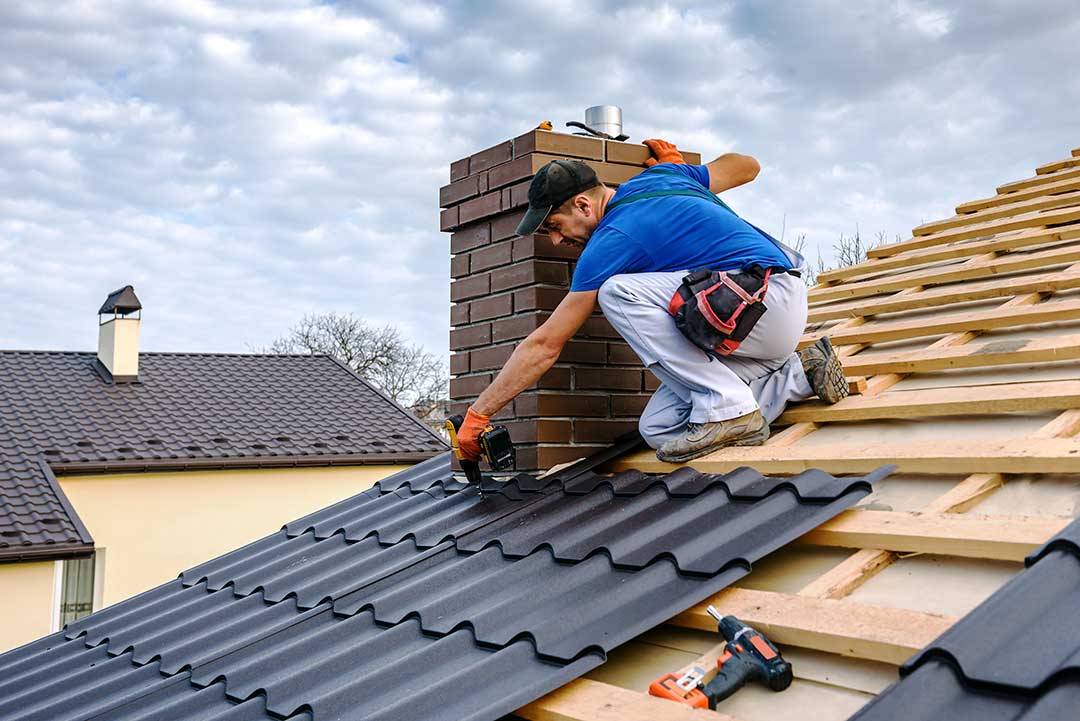
For a typical house, insulation, air sealing, attic ventilation, roof color, and window exposure may influence comfort as much as the roof rating itself. A highly reflective roof cannot compensate for major insulation gaps or uncontrolled air leakage.
How should homeowners compare ratings?
Start with the product’s exact name, color, profile, and roof application. A rating for one color or surface finish may not apply to another. Check whether the listing is for a steep-slope or low-slope application, since performance requirements and product designs can differ.
Then compare:
- Initial solar reflectance
- Three-year aged solar reflectance
- Initial and aged thermal emittance
- Initial and aged SRI
- Expected service life and warranty terms
- Compatibility with the roof deck, underlayment, flashing, and ventilation
- Appearance changes caused by weathering or surface buildup
A roof should also be evaluated as an assembly. Underlayment, insulation, ventilation, decking condition, and installation quality affect durability and indoor comfort. A high-rated surface installed over a poorly prepared roof is not automatically an energy-efficient or long-lasting system.
What should not be assumed from a cool roof rating?
A cool rating does not prove that a roof will:
- Eliminate air-conditioning use
- Prevent ice dams
- Solve attic moisture problems
- Replace insulation
- Last longer than every lower-rated product
- Perform identically in shade, snow, or cloudy weather
- Produce the same savings for every household
In the local heating season, snow cover may temporarily hide the roof surface, and winter energy use is driven largely by insulation, air leakage, windows, and heating equipment. During sunny summer weather, however, surface reflectance and emittance can still influence how much heat the roof absorbs.
The most useful approach is to treat cool roof ratings as one part of a broader roofing decision. They provide objective information about solar behavior, while the roof’s slope, construction, weather exposure, maintenance needs, and year-round energy demands determine whether that performance is meaningful for the home.
