
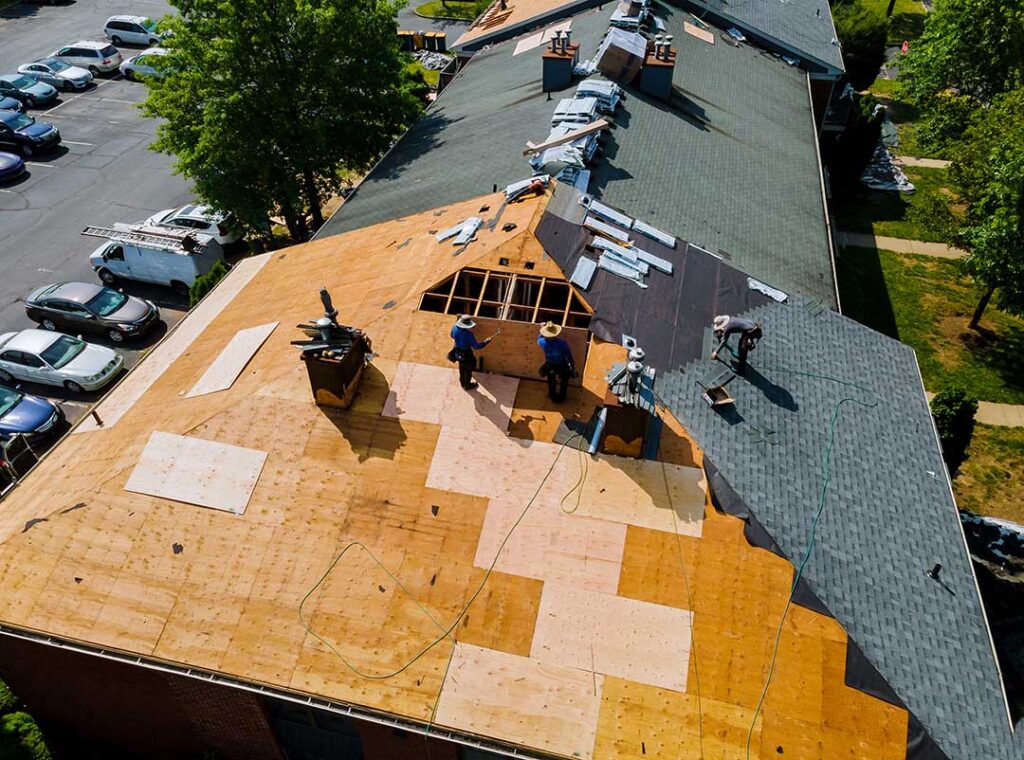
Why Do Pests Target Roofs in Fort Plain, NY?
Pests are drawn to roofs for shelter, warmth, and protection from predators. In Fort Plain, attic spaces and roof cavities can mimic natural nesting environments. Many area homes, especially older or historic properties, have small vulnerabilities that make entry easier for local wildlife and insects.
Local seasonal changes, like heavy rain or snow, can also force mice, squirrels, bats, and insects to seek drier, warmer environments above ground. The mix of mature trees, varied housing materials, and wet-dry cycles common in Fort Plain all add to the risk of roof intrusions.
What Types of Pests Enter Roofs Locally?
Residents most often deal with:
- Squirrels and chipmunks
- Mice and rats
- Bats
- Birds, especially starlings or pigeons
- Raccoons in some cases
- Carpenter ants, wasps, and occasional bees
These pests are agile and persistent, using both natural ability and environmental clues to locate weak spots. Local rodents and bats can squeeze through gaps as small as a quarter inch.
Where Do Pests Find Roof Entry Points?
Most pests get into roofs through:
- Damaged or missing shingles
- Gaps along flashing or under eaves
- Loose, rotted, or warped fascia and soffits
- Unscreened attic vents or roof vents
- Cracks around chimneys or poorly sealed vent pipes
- Holes created by previous animal activity, left unrepaired
Squirrels and raccoons can gnaw through wood or lift loose shingles. Bats and mice exploit much smaller openings. Bees and wasps seek small gaps in siding or beneath roofing materials, especially where moisture damage has softened the structure.
How Does Fort Plain Weather Affect Pest Access?
The freeze-thaw cycle in Fort Plain can cause subtle expansion and contraction, slowly widening cracks or creating gaps. After periods of heavy snow, ice dams can force water under shingles and damage roofboards, making it easier for animals and insects to enter later in the year.
Spring and fall are peak times for new pest entry, as local wildlife search for safe nesting areas or prepare for colder months. Warm attics attract insects searching for overwintering sites, while summer storms can blow open existing vulnerabilities.
How Do Seemingly Minor Roof Issues Turn Into Pest Highways?
A small hole, loose shingle, or soft patch in an overhang can be enough for pests to begin their entry. Once inside, many animals enlarge holes to improve access, and some create multiple exit routes. Insects like carpenter ants can excavate moist, softened wood, turning a minor leak into a busy colony site.
A missing screen on a vent or a gap around a pipe boot can funnel pests directly into attic spaces. Neighborhood birds may find uncapped chimneys or open gable ends especially attractive.
Can Roof Design or Home Age Increase Risk in Fort Plain?
Older homes or those with complicated rooflines—such as dormers, intersecting gables, or multiple valleys—often have more maintenance points to check. Period details like wood shake siding, ornamental trim, or original fascia may be harder to fully seal.
Homes beneath mature trees, common in the community, give squirrels, raccoons, and birds easier roof access. Longer roof overhangs and ventilated attic spaces help manage moisture but can also create additional entry points, especially if screens or soffits are missing or damaged.
What Signs Suggest Pests Have Entered a Roof?
Early clues include:
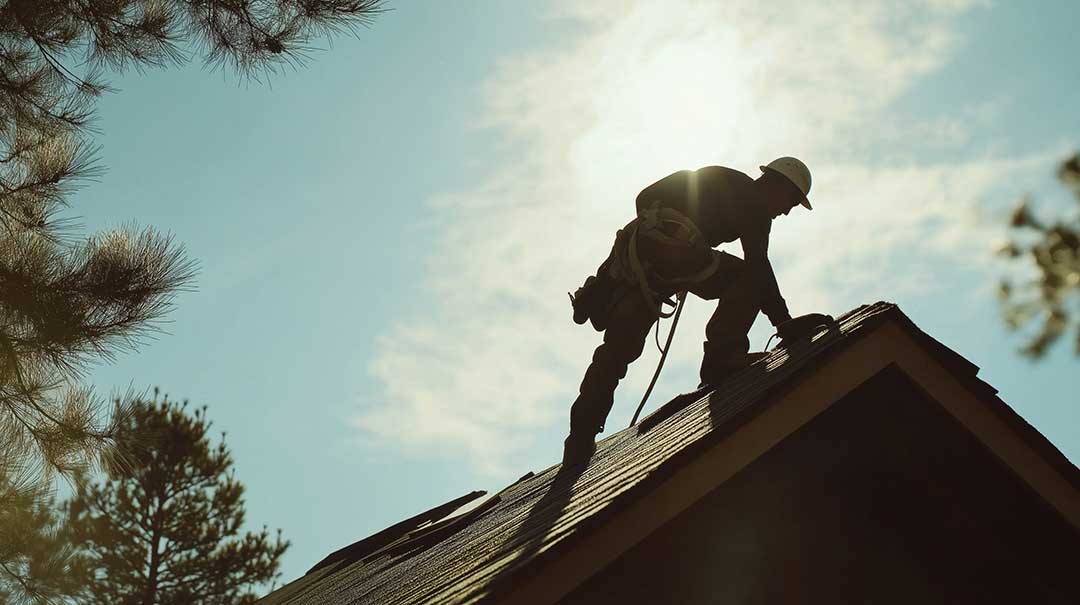
- Scratching, scurrying, or thumping noises in the ceiling or attic, often at night
- Droppings or nesting material near attic entry points, vents, or chimneys
- Daylight visible through roof boards, indicating gaps or holes
- Chewed wires, wood, or insulation in attic spaces
- Sagging or stained soffits, which may indicate animal entry or insect damage
- Buzzing or increased insect activity inside the house, especially around ceiling fixtures or attic hatches
Consistent inspection after storms, heavy winds, or snow melt can help area households spot new vulnerabilities before pests exploit them.
What Prevents Pests From Invading Fort Plain Roofs?
Most pest access happens when roofs are neglected or small problems go unseen. Residents can limit entry by:
- Checking attic vents and other openings at least seasonally
- Repairing damaged shingles and resealing flashing promptly
- Making sure soffits, fascia, and roof edges are sound
- Clearing debris from gutters, as backed-up water encourages wood rot and softens entry points
- Trimming back tree branches close to the roof
- Confirming that chimney caps and vent screens are secure and undamaged
Misconceptions persist that only older or visibly damaged roofs are at risk, but even new roofs in the city can be vulnerable if routine checks are skipped.
Are There Risks Beyond Structural Damage?
Pests in the roof can lead to more than just property damage. Squirrels and rodents sometimes chew electrical wires, creating a fire risk. Bat and bird droppings can carry diseases dangerous to humans. Bees, wasps, and other insects may sting inhabitants or trigger allergies, especially in the confined spaces of an attic.
Neighborhood species often travel in groups, so a small initial entry can escalate into a larger infestation. For these reasons, prompt detection and non-chemical exclusion are key for area residents aiming to keep their roofs secure and healthy.
