
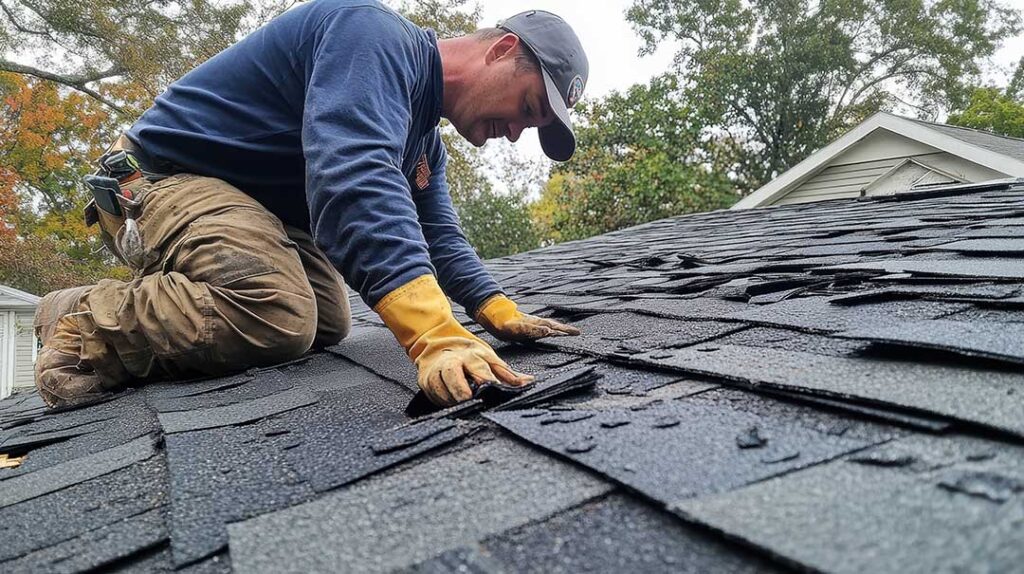
Shade trees can make a home more comfortable in summer, but their branches, leaves, moisture, and root systems can also affect how long a roof lasts. In Fort Plain, NY, where roofs experience snow, freeze-thaw cycles, spring rain, summer humidity, and autumn leaf fall, tree placement and maintenance can influence roof performance over time.
The effect is not automatically harmful. A healthy tree at a safe distance may provide useful shade without creating major roofing problems. Trouble usually develops when branches overhang the roof, foliage blocks sunlight and airflow, or fallen debris remains on roofing materials and in drainage systems.
Do shade trees make a roof wear out faster?
They can, but shade alone is rarely the main cause of roof failure. The greatest risks come from persistent moisture, physical contact, falling debris, and blocked drainage.
Roofing materials generally dry more slowly in deep shade. After rain, dew, or melting snow, areas beneath dense branches may remain damp longer than exposed sections. Repeated dampness can encourage moss and algae growth, especially on roof surfaces that have limited airflow. Moss may hold moisture against shingles and gradually interfere with the way water runs toward the eaves.
Branches can also scrape against shingles during wind. Even light, repeated contact may wear away the surface granules that protect asphalt shingles from sunlight and weather. Larger limbs create a more serious hazard because they can break during heavy snow, ice, high winds, or storms.
How do trees affect a roof during Fort Plain winters?
Winter conditions create several combined stresses. Snow and ice can collect on branches, increasing their weight and making weak or damaged limbs more likely to fall. Branches that appear safe during dry weather may become hazardous after freezing rain or a heavy wet snowfall.
Shade can also slow snowmelt. A roof beneath dense tree cover may have uneven temperatures, with some areas melting while shaded sections remain frozen. This does not automatically cause an ice dam, but uneven melting can contribute to ice buildup when snowmelt reaches colder roof edges and refreezes.
The roof itself is not the only concern. Snow and ice that slide from branches can damage gutters, flashing, vents, or lower roof sections. In some cases, a falling limb can puncture the roofing surface or damage the underlying deck.
Trees do not create every winter roofing problem. Roof pitch, insulation, ventilation, gutter condition, air leakage, and snowfall patterns also matter. Tree cover is one factor within a larger moisture and drainage system.
Why are leaves and small branches a problem?
Leaves and twigs can block gutters, downspouts, valleys, and roof drainage paths. Valleys are especially important because they collect water from two roof slopes and direct it toward the eaves. If leaves form a dense layer in a valley, water may move more slowly or spread beneath nearby roofing materials.
Blocked gutters can overflow during heavy rain. Water may then run behind fascia boards, soak trim, collect near the foundation, or stain exterior walls. Repeated overflow can contribute to wood deterioration and may allow water to reach areas that are difficult to inspect.
Small debris also traps moisture. A layer of leaves lying on shingles can stay wet for extended periods, particularly in shaded areas. As the material breaks down, it can form a compact organic layer that encourages moss and makes surface inspection more difficult.
Routine removal is safer when performed from the ground with appropriate tools. Walking on a wet, steep, icy, or debris-covered roof can cause falls and can damage fragile roofing materials.
Is shade helpful for roofing materials?
Moderate shade can reduce direct solar heating and ultraviolet exposure. This may limit some heat-related stress on roofing materials, particularly during hot summer weather. Homes with shaded roof sections may also experience lower attic temperatures if the building has adequate insulation and ventilation.
However, reduced sunlight does not necessarily extend roof life. The potential benefit of less ultraviolet exposure can be outweighed by moisture retention, poor airflow, moss, and debris. A roof that stays damp for long periods generally faces more concern than one that receives regular drying sunlight.
The balance depends on the tree’s distance, height, density, species, and condition. Open-canopy trees that allow air movement may create fewer problems than dense evergreen branches positioned directly over a roof.
How far should branches be from the roof?
Branches should not rub against roofing materials, gutters, chimneys, vents, or siding. A practical goal is to maintain visible clearance between mature branches and the roof rather than waiting until contact begins.
Trees change with age. A branch that is several feet away today may reach the roof after additional growth. Wind also causes branches to move farther than they appear to during calm weather. Limbs above the roof should be checked for weak unions, dead wood, cracks, excessive lean, and rubbing points.
Large branches near a roof can be difficult to manage safely. Cutting from ladders, climbing trees, or working near power lines creates significant hazards. Situations involving unstable limbs, steep roofs, or overhead electrical equipment may require qualified assistance for safety reasons.
What should homeowners inspect after storms?
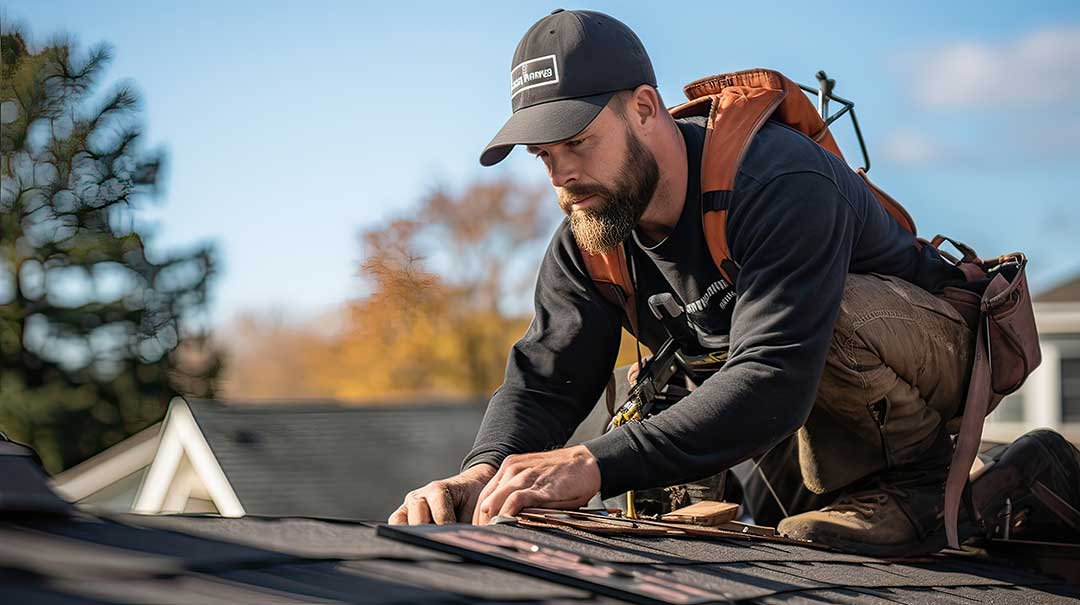
After strong wind, heavy snow, or ice, look for changes that can be seen safely from the ground or from accessible areas:
- Broken or hanging branches
- New dark patches, exposed roof decking, or displaced shingles
- Bent gutters or detached downspouts
- Leaves packed into valleys or drainage areas
- Water stains on ceilings, walls, or around attic openings
- Debris gathered around vents, chimneys, or roof edges
- Tree limbs resting on the roof or leaning against exterior walls
A small amount of loose debris does not always indicate roof damage. By contrast, a sudden ceiling stain, visible opening, sagging roof area, or branch resting on the structure should be treated as an urgent safety concern. Avoid walking beneath damaged limbs during windy conditions.
Can tree roots damage a roof?
Tree roots do not normally damage the roofing surface itself. Their effects are more likely to involve the foundation, underground drainage, walkways, or buried utility lines. A tree that is too close to a house may also grow into a position where its trunk or limbs threaten the roof as the tree matures.
Roots can contribute indirectly to moisture problems if they disturb drainage systems or alter the way water moves around the building. Those issues are separate from branch-related roof wear but may appear at the same time on older properties.
What tree maintenance helps protect a roof?
The most useful approach is preventive maintenance rather than removing every tree near a home. Keep branches from touching the roof, trim away dead or weak limbs, and prevent dense foliage from forming a continuously damp roof environment.
Gutters and downspouts should be checked more often during spring and after autumn leaf fall, especially beneath mature trees. Roof valleys, skylight areas, chimney edges, and shaded north-facing sections deserve careful observation because they may retain moisture or debris longer.
Homeowners in Fort Plain often have to manage both summer storms and winter snow loading. A tree that seems harmless in July may present a different risk after ice accumulation in January. Considering the tree’s full seasonal behavior provides a more accurate picture than judging it during one part of the year.
A well-placed, healthy shade tree can coexist with a durable roof. The key factors are clearance, airflow, drainage, tree health, and regular observation after severe weather.
